If your business insurance renews in June, you may already know it can be a busy time for the insurance industry.
Many businesses choose June renewals because they align with the end of the financial year. However, this also means insurers are reviewing a high number of policies at the same time.
Moving your renewal away from this busy period may have some benefits, including:
1. More time for Insurers to assess your business
A quieter renewal period may give insurers more time to understand your business, assess your risks and consider the terms they can offer.
This can be especially helpful if your business has changed, your risks are more complex or your policy needs a more detailed review.
2. More opportunity for us to negotiate
Having more time can also give us greater opportunity to speak with underwriters, explore alternative markets and negotiate premiums and policy conditions on your behalf.
It allows us to thoroughly consider the options available and work with insurers to find the right solution for your business.
You May Be Able to Change Your Renewal Date
Many business owners with a June renewal assume they need to renew in June every year. In some cases, that’s not necessarily the case.
Depending on your insurer and policy, we may be able to arrange a one-off policy term of 8 to 16 months.
This could move your next renewal to a different time of year.
For example, if your policy currently renews in June, we may be able to extend the policy term so your next renewal falls later in the year, outside the industry’s peak renewal period.
Is It Worth Asking?
Changing your renewal date won’t suit every business.
We’ll look at your circumstances, see whether it’s an option and explain what may work best for you.
Planning ahead could give insurers more time to assess your business and give us more opportunity to negotiate the right cover and terms on your behalf.
Most business owners think Business Interruption insurance only covers damage to their own premises.
But when we review a client’s cover, we look at more than their own business.
We also consider the businesses they rely on, such as suppliers, customers and storage providers.
If one of these businesses is affected, it could also disrupt your business and reduce your income.
This is where Contingent Business Interruption cover can help.
How Can Contingent Business Interruption Cover Help?
Your business does not need to be directly damaged to suffer a loss.
If a business you rely on is affected, it could cause delays, lower sales or lost income.
When we review Business Interruption cover with our clients, these are some of the key areas we encourage them to think about.
1.Your Suppliers or Manufacturers
Many businesses rely on suppliers for products, materials or equipment.
But what would happen if one of your key suppliers could no longer deliver?
If their premises are damaged, it could delay your business and affect your income.
For example:
A dressmaker cannot source fabric after a supplier’s warehouse is damaged by fire.
A café cannot receive deliveries after a bakery supplier is damaged by a storm.
A construction company faces delays after a supplier’s factory is damaged by fire.
Depending on your policy, Contingent Business Interruption insurance may help cover the financial impact.
This is something we recommend considering if your business relies heavily on a small number of suppliers.
2. Your Customers
Sometimes, the disruption can come from the other side of your business; your customers.
If a major customer is affected by an insured event, they may not be able to operate as normal. They may reduce or stop buying your products or services.
For example, imagine you supply products to a restaurant that is damaged by a storm and needs to close for repairs.
While the restaurant is closed, they may not be able to purchase from you. If they are a major customer, this could have a real impact on your income.
If your business relies on a small number of key customers, Contingent Business Interruption cover may help protect your income.
3.Third-Party Storage Facilities
We also see businesses storing stock at warehouses or storage facilities they do not own.
If that location is damaged, it could delay orders and affect your ability to trade.
Your policy may provide protection if the storage facility belongs to another business.
However, we also recommend checking that any stock stored at third-party locations is properly insured.
Two Important Things to Know
Contingent Business Interruption cover can provide valuable protection, but there are some important limits to understand.
1. The Damage Must Be Covered
For your claim to be covered, the damage will usually need to be something your Property Damage insurance would cover.
For example, your supplier’s warehouse is damaged by flood, but your Property Damage policy does not include flood cover.
In this situation, your Business Interruption claim may not be covered.
This is why we always encourage our clients to look at their Property Damage and Business Interruption insurance together. The two covers can work closely together when a claim occurs.
2.Your Claim May Be Limited to 20%
Many insurers place limits on claims involving suppliers, customers or storage facilities that are not specifically listed on your policy.
A common limit is 20% of your Business Interruption Sum Insured, although this can vary between insurers and policies.
For example, if your Business Interruption Sum Insured is $500,000, your claim for an unnamed supplier, customer or storage facility may be limited to $100,000.
For a business that relies heavily on one key supplier or customer, that limit may not be enough.
When we review your policy, we can help you understand these limits and whether they provide enough protection for your business.
Is Your Insurance Keeping Up With Your Business?
Your business does not stay the same forever.
You may work with new suppliers, gain bigger customers, hold more stock or change the way you operate.
That is why we recommend reviewing your insurance regularly.
We encourage you to ask yourself:
What would happen if my main supplier stopped operating?
What if my biggest customer could no longer trade?
Could my business continue if my stock was damaged at another location?
How long could I continue operating if a key business partner was affected?
If the answers raise some concerns, it may be time to review your cover.
As your broker, we can help you understand your policy, explain any limits and look at whether your current cover still meets your needs.
A quick conversation with us today could help you identify a gap before you need to make a claim.
Insurers have significantly tightened their underwriting over the past 12 – 18 months, and the level of data required before quoting has increased acrosss the board.
What’s changed?
Insurers are now scrutinising risk information far more closely than they used to. Where a brief overview may have been enough in the past, underwriters today want specifics: detailed claims histories, updated asset values, current risk management practices, workforce numbers, and revenue breakdowns. We are essentially asking for the works.
It’s not about being difficult. It’s about insurers protecting their books in a tougher market.
And here’s the reality: incomplete or vague information leads to higher premiums, coverage restrictions, or declined quotes.
Why we’re asking (again)
We know it can feel repetitive. You provided this information last year, and your business hasn’t changed significantly. Why do we need it all over again?
Because insurers treat every renewal as a fresh underwriting exercise. They’re reassessing your risk profile based on current information, not last year’s data. If we don’t provide comprehensive, accurate details upfront, we lose negotiation power, and potentially you may lose more as a result.
What good information gets you:
Sharper pricing – Underwriters price what they understand. The clearer the picture, the tighter the premium.
Broader coverage – Detailed risk information helps us argue for better terms, higher limits, and fewer exclusions.
Faster turnaround – Complete submissions avoid the back-and-forth that delays quotes and eats into your renewal timeline.
More options – Insurers are more willing to quote and complete when they have confidence in the information.
Our commitment to you
We are not asking for details to tick boxes. We’re asking to secure the best possible outcome for your business. Every data point you provide gives us leverage to negotiate on your behalf, and in this market, that leverage matters.
We also get that you’re busy. If there’s a way we can make the renewal process easier by pre-filling forms, scheduling a quick call instead of lengthy emails, or consolidating requests, please let us know. We’re here to make this work for you, not add to your workload.
What this means for your business
The more detail we have, the harder we can push for competitive terms. It might feel like extra effort now, but it translates directly into better cover and better value when renewal time comes.
As always, if you’ve got questions about what we’re asking for (or why), we’re happy to walk you through it.
Running a business comes with risks. Accidents, property damage, and legal claims can happen at any time, even when you’ve done nothing wrong. That’s why liability insurance is so important.
At its core, liability insurance is triggered when a claim of negligence is made against you or your business. Even if you did nothing wrong, defending yourself in court can be very expensive. Liability insurance for businesses helps cover both the costs of being found negligent and the significant expenses involved in defending a claim.
Liability insurance protects your business if someone says you caused them financial loss, injury, or property damage. It covers both any compensation you might owe and the legal costs of defending yourself.
This coverage is essential because defending a claim, even if you did nothing wrong, can cost tens or hundreds of thousands of dollars. Liability insurance makes sure you don’t have to pay these costs yourself.
What does Liability Insurance cover?
Liability insurance is meant to protect you from:
Claims of negligence – if someone alleges your actions (or failure to act) caused them financial loss, injury, or property damage.
Legal defence costs – including lawyer’s fees, court filing costs, expert witnesses, and settlement negotiations.
Damages or compensation – if you are found liable.
This applies to a wide range of scenarios, from a customer slipping on your premises to damage caused to someone else’s property while on a job site.
What is the trigger? Negligence
The most common trigger for liability claims is an allegation of negligence. Negligence doesn’t mean you intended to cause harm, it could simply mean someone believes you failed to take “reasonable care.”
For example, a cafe owner might be sued if a customer slips on a wet floor and becomes injured. Another scenario could be a tradesperson being sued if their work is alleged to have caused property damage.
How does it protect your business?
You don’t need to lose a case to lose money. Even if you haven’t been negligent, defending yourself in court can be extremely expensive. Lawyers’ fees, expert reports, and court appearances can quickly add up to tens or hundreds of thousands of dollars.
Liability insurance covers these defence costs, so your business can keep running while the case is ongoing. Without it, you might have to pay out of pocket, which could be a financial blow many businesses can’t handle.
Do you need liability insurance? A broker would know
Liability insurance is not just protection for when mistakes happen. It’s protection against the rising costs of legal disputes and claims, even when you’ve done everything right.
Understanding the level of protection you need can be complex, which is why speaking with an experienced broker can make all the difference. And whether you have questions about your current cover, need guidance on policy options, or want to explore a quote, our team is here to help.
Contact our team at he***@******om.au to discuss your options or request a free quote. Let’s work together to secure your business and keep it thriving.
Getting business insurance is essential, but the first step of obtaining a business insurance quote can be very demanding. This process requires you to provide extensive information about your business, not only for assessing and understanding the potential risks your business may face but also for determining the most effective protection strategies and estimating the overall cost of business insurance. But what exactly is required to get an accurate insurance quote?
Provide detailed information about your business to make it easier to assess the level of risk associated with insuring your business and affects the total cost of business insurance. This generally includes the following:
Business Name: The legal name of your business.
Business Address: The physical location of your business.
Industry Type: The industry or sector in which your business operates.
Number of Employees: The total number of employees working for your business.
Annual Revenue: The yearly income generated by your business.
Previous Insurance Coverage: Details of your business’s previous insurance coverage (if any).
2. Assets and Inventory
Another essential piece of information you need to provide is a comprehensive list of current assets and inventory. This should include specifics about the property where your business operates, the equipment utilised in daily operations, and any other assets requiring insurance coverage. The total value of your assets is factored in the calculation of your business insurance quote and can affect what coverage is recommended which leads to the next thing that needs to be assessed.
3. Coverage Needs
Clearly outline your coverage needs when you’re looking for a business insurance quote. By understanding and clearly expressing the specific protections your business requires, you help your insurance provider create a quote that matches your business’s unique needs. This careful preparation not only leads to a more accurate assessment but also ensures that you get the best and most comprehensive coverage.
Here are some examples:
General Liability Insurance – protection against claims of bodily injury or property damage to third parties resulting from business operations.
Property Insurance – covers damage to business property and assets due to events such as fire, theft, vandalism, or natural disasters.
Cyber Liability Insurance – with the increasing threat of cyberattacks and data breaches, businesses need coverage to protect against losses due to hacking, data theft, or other cyber incidents.
Commercial Auto Insurance – if your business owns vehicles or if employees use their vehicles for work purposes, this insurance provides coverage for accidents, injuries, and property damage involving those vehicles. This can be especially useful if employees often travel for work events.
Product Liability Insurance – for businesses that manufacture or sell products, this coverage protects against claims of injury or damage caused by defects in those products.
If you need clarification on what other types of coverage your business will need, contact East West Insurance Brokers. We are here to help you assess your requirements and needs to find the best coverage plan.
4. Claims History
Be ready to provide detailed information about any past insurance claims your business has filed, including the nature of the claims and the amounts paid out. Your business’s claims history is a significant factor in determining the cost of your insurance premiums.
Insurance providers use this history to gauge the risk level of insuring your business. A track record of frequent or high-value claims might indicate higher risk, which could lead to increased premium costs. Accurate and comprehensive details about your claims history help the insurance company provide a fair assessment and pricing for your coverage.
5. Risk Assessment
Factors such as your industry, business operations, location, and safety measures are pivotal in the risk assessment process. Providing detailed and accurate information about these aspects will help ensure that your insurance quote is accurate and tailored to your needs. Many insurance providers include risk assessment services with their policies, offering a convenient option for assessing your business risks. Alternatively, hiring a specialized risk management consultant can provide a more in-depth analysis tailored to your specific industry or business niche.
Conducting your own risk assessment is another viable strategy. Start by identifying potential hazards, vulnerabilities, and threats that could impact your business operations. Also consider external factors from economic conditions, local and global politics, as well as health and environmental issues.
Staying informed through industry publications and news sources is crucial for anticipating and mitigating future risks. There are multiple online resources available to assist businesses in conducting self-assessments and pinpointing potential risks. Being proactive can empower you to better manage and analyse your business’s vulnerabilities.
Looking for a convenient way to get a business insurance quote?
Conducting your own risk assessment to get an estimate cost of business insurance can be time-consuming, particularly when your priority is managing day-to-day business operations. At East West Insurance Brokers, we understand the importance of your time and the complexities of navigating multiple insurance policies. Our team is dedicated to guiding you through the process and identifying the coverage that best suits your needs. Contact our team today to streamline your insurance process and ensure your business is protected.
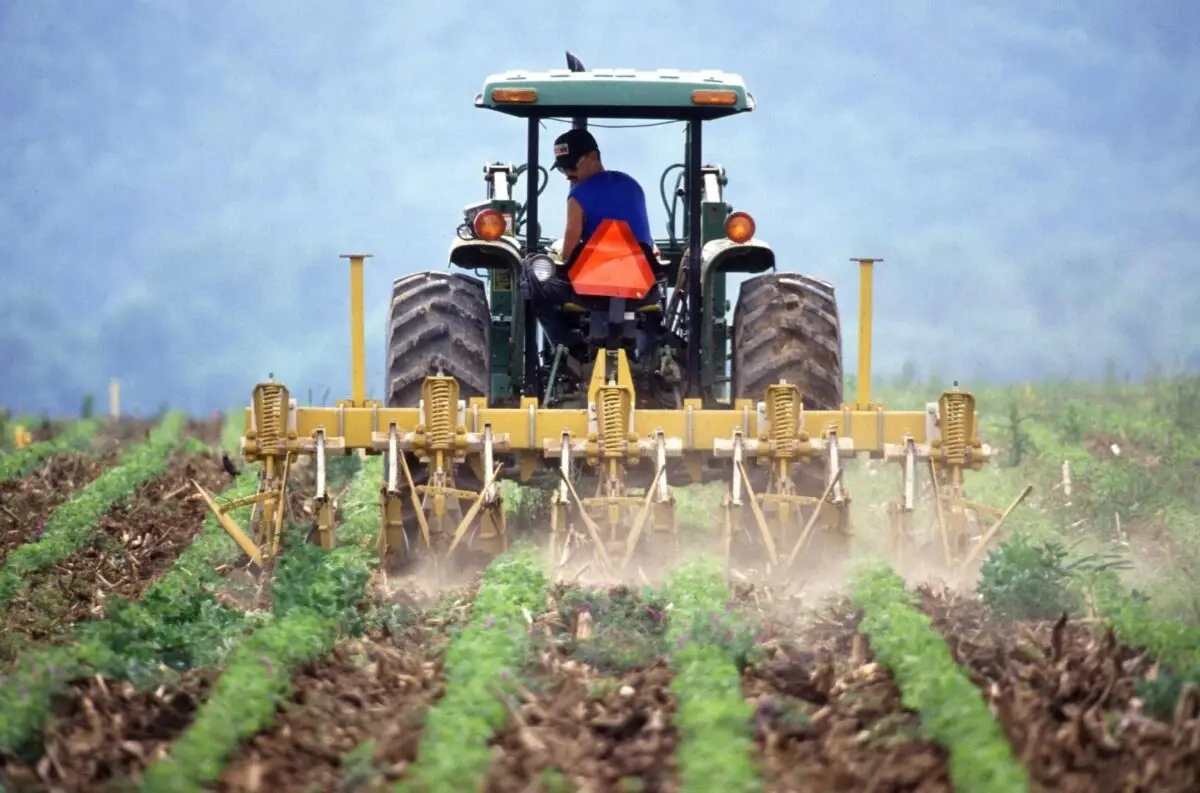
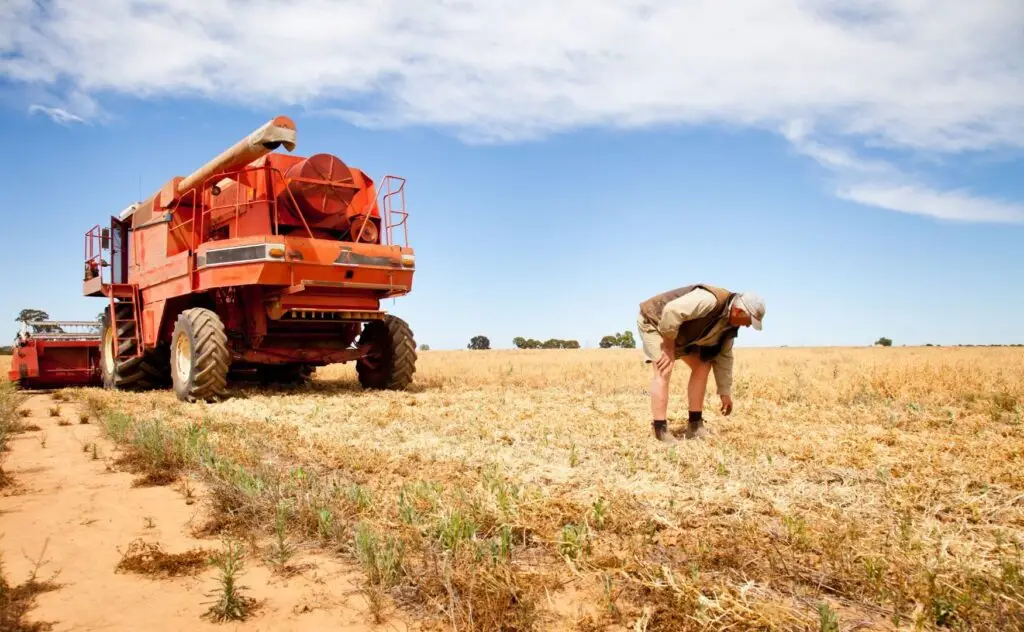
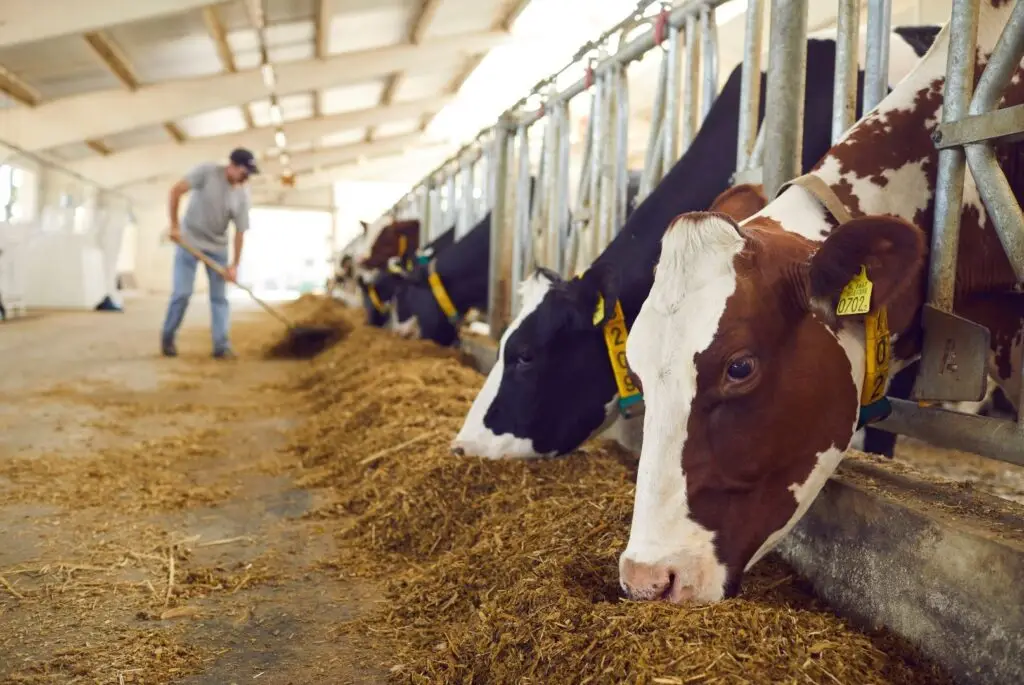
Agriculture is a cornerstone of Australia’s economy and food security. The industry, however, is vulnerable to climate change, soil degradation, and water scarcity. Weather, pest outbreaks, and market fluctuations also threaten farmers’ financial security. That’s why it’s recommended that farmers get agriculture insurance for financial protection and stability amid environmental uncertainties.
Whether you’re a small-scale farmer or part of a large agricultural operation, considering agriculture insurance is a wise decision, and East West Insurance Brokers is here to help. Our team of expert Insurance Advisers can help you navigate the insurance market and shop around for a good coverage plan. Contact us today to stay protected.
Government agencies and nonprofit organisations alike have implemented initiatives to enhance agricultural productivity while preserving natural resources. Let’s explore a few of these programs and initiatives driving sustainable agriculture in Australia.
Australia’s Net Zero Plan is a bold and ambitious initiative to reduce carbon emissions by 43% by 2030 and achieve net zero emissions by 2050. The plan seeks to achieve these goals through the support of independent and nonprofit organisations, to create a more sustainable and environmentally friendly future for Australia.
But how does this affect the agricultural sector?
Well, the agriculture industry plays a significant role in greenhouse gas emissions (GHG), mainly through livestock production, fertiliser use, and land use changes. They account for 15% of the total emissions in 2019. Meeting net zero targets will require substantial changes in farming practices, potentially impacting productivity, profitability, and livelihoods. Here are the common practices that are being adopted today:
Acceleration of the transition to renewable energy
Planting cover crops to improve soil quality and prevent erosion
Improving fuel efficiency of fishing vessels
Investing in new technology to increase efficiency and reduce waste or raw material consumption
For their part, the Australian Government is developing plans to provide farmers with the necessary education and support to reduce GHG emissions.
Climate-Smart Agriculture Program
The Australian Government established the $300 million Climate-Smart Agriculture Program through the Natural Heritage Trust (NHT). Below is a sample of programs they offer grants to farmers:
Partnerships and Innovation Grants
The program offers grants ranging from $250,000 to $5,000,000 for medium to large-scale projects that promote climate-smart agriculture practices. The application for the first round began on 22 February 2024, and the second round is still being discussed.
Small Grants
Another grant is offered for projects focused on increasing on-farm productivity and sustainable agriculture for community groups. The start date for application is to be announced later this year.
Soil Capacity Building
The Australian Government has invested $21 million in a program that monitors soil quality nationwide. This program aims to gather and assess data about soil trends. Additionally, $6 million has been invested in improving the sharing and use of soil data through the Australian National Information System.
NFF 2030 Roadmap
The National Farmers’ Federation (NFF) spearheaded the development of the NFF 2030 Roadmap, which was developed through a collaborative process that involved more than 300 representatives in the agricultural sector. Created as a strategic blueprint, the 2030 Roadmap identifies key opportunities and challenges in the agricultural sector. Essentially, it’s developed as a guide for growth and sustainability.
The NFF releases annual reports to track progress, maintain accountability, and push continuous innovation for everyone involved. You can access the 2030 Roadmap and its annual reports here.
Australian Agricultural Sustainability Framework
Another initiative by the NFF, with the support of the Australian Government, is the Australian Agricultural Sustainability Framework (AASF). It aims to promote responsible environmental stewardship by upholding ethical practices in compliance with the law, reducing GHG emissions, and preserving the environment. The framework also encourages the development of communities by nurturing the well-being of people and animals.
The AASF started in 2020 and is still in ongoing development. However, you can visit their site to learn more about the initiative.
FutureFeed
Farming, particularly livestock, is a major methane emitter and GHG contributor in Australia. As a solution, the Commonwealth Scientific and Industrial Research Organisation (CSIRO) established the FutureFeed program.
It aims to reduce GHG emissions, boost animal health, and improve farm efficiency with the development of a sustainable feed supplement for livestock using Asparagopsis seaweed.
FutureFeed currently provides licenses for growers and processors rather than selling seaweed directly. If you want to buy the product for your livestock, you can buy from their licensed seaweed growers.
The Future of Sustainable Agriculture
Challenges and triumphs, emphasising innovation, adaptation, and collective action, mark Australia’s journey toward achieving net zero carbon emissions by 2030. The goal, however, extends beyond meeting the deadline. It sets the stage for a sustainable future that preserves Australia’s diverse environment while pushing for innovation and collaboration across all industries. Australia is also contributing to the global fight against climate change for a greener future by adopting transformative technologies and forming eco-partnerships.
FLEXIOriginally launched in the 1980s as a premium funding service helping clients pay insurance premiums in instalments, our platform has evolved to support brokers in offering flexible payment options.
Today, Flexigrow also provides business management software, enabling business owners to manage operations in one streamlined platform. CTA button:VISIT OUR WEBSITE