If your business insurance renews in June, you may already know it can be a busy time for the insurance industry.
Many businesses choose June renewals because they align with the end of the financial year. However, this also means insurers are reviewing a high number of policies at the same time.
Moving your renewal away from this busy period may have some benefits, including:
1. More time for Insurers to assess your business
A quieter renewal period may give insurers more time to understand your business, assess your risks and consider the terms they can offer.
This can be especially helpful if your business has changed, your risks are more complex or your policy needs a more detailed review.
2. More opportunity for us to negotiate
Having more time can also give us greater opportunity to speak with underwriters, explore alternative markets and negotiate premiums and policy conditions on your behalf.
It allows us to thoroughly consider the options available and work with insurers to find the right solution for your business.
You May Be Able to Change Your Renewal Date
Many business owners with a June renewal assume they need to renew in June every year. In some cases, that’s not necessarily the case.
Depending on your insurer and policy, we may be able to arrange a one-off policy term of 8 to 16 months.
This could move your next renewal to a different time of year.
For example, if your policy currently renews in June, we may be able to extend the policy term so your next renewal falls later in the year, outside the industry’s peak renewal period.
Is It Worth Asking?
Changing your renewal date won’t suit every business.
We’ll look at your circumstances, see whether it’s an option and explain what may work best for you.
Planning ahead could give insurers more time to assess your business and give us more opportunity to negotiate the right cover and terms on your behalf.
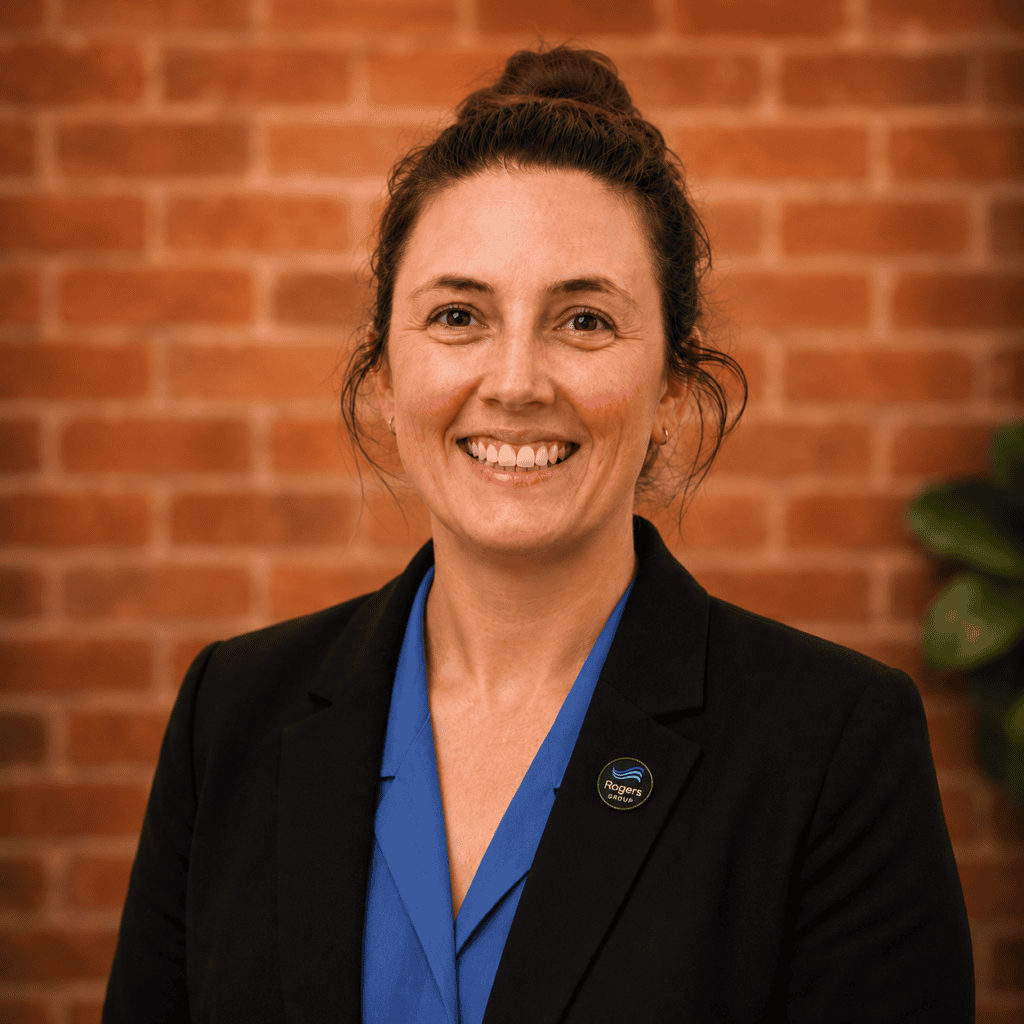
At 19 years old, Chantelle Rogers joined her family’s transport business without knowing where it would take her.
Eighteen years later, she is helping lead the company alongside her brother.
But becoming a business leader was never part of a carefully planned career path. In fact, transport wasn’t even her first choice.
Chantelle had a passion for scuba and was close to completing her training as a diving instructor when her asthma brought that dream to an unexpected end.
With scuba diving no longer an option, Chantelle tried a few different jobs, before making the decision to join her family’s business.
That decision would shape the course of her career.
Starting from the ground up
Rogers Transport was founded by Chantelle’s parents, Gary and Val Rogers, with just one truck before growing into a company with 60 trucks; providing transport, logistics and warehousing services across Australia.
But Chantelle didn’t walk into a leadership role. She started in administration and worked her way into accounts and the warehouse before moving into operations. With every new role, she learned more about the business and the people who kept it moving.
Over the course of 18 years, Chantelle built her skills, gained experience and developed a deep understanding of the business her father had created.
In 2022 Gary stepped back from the day-to-day running of the business and handed the reins of leadership to Chantelle and her brother, Brad.
After years of working at Rogers Transport, she was now trusted to help lead and grow the business.
The biggest challenge? Building the right team
One lesson Chantelle has learned as a leader is that you can’t grow a business by trying to do everything yourself.
Delegation is an important part of leadership, but finding the right people is about more than simply finding someone who can do the job.
In the transport industry, there are many moving parts that need to work together. Having the right people in the right roles helps keep the business running smoothly, while finding people who align with the company culture and work well with the wider team creates a stronger foundation for growth.
Over the past years, Chantelle has built a strong and supportive team around her and she’s excited to continue growing it with people she can trust to help keep the business moving forward.
Then there’s motherhood
Just as Chantelle was finding her feet in her new leadership position, she took on another life-changing role: Mum.
Today, she is a mother to a busy two-year-old while also growing a transport business.
And if there is one thing she wants other women to know: Balancing motherhood with running a business is hard. Really hard.
There isn’t always a clear line between being a mum and being a business owner. Some days, Chantelle is focused on the business. Other days, motherhood comes first. And on many days, she is doing both at once.
Her schedule can change quickly. Plans need to move. And there isn’t always much time to stop and catch her breath.
But Chantelle wouldn’t have it any other way.
She genuinely cares about both her family and the business. She is passionate about what she does and wants to see the company continue to grow.
It’s a lot to juggle, but it’s a challenge she is willing to take on.
Making it work takes a village
For Chantelle, having a strong support network isn’t just helpful, it’s essential.
Her advice to other women, particularly mums considering leadership, is simple: be prepared and surround yourself with people who support and understand you.
At work, Chantelle has her father, Gary, and their COO, Josh to turn to for guidance, advice and a fresh perspective when she needs to talk through an idea or decision.
At home, she has a supportive husband who understands that work sometimes extends into evenings and weekends, with both sharing the demands of family life.
For Chantelle, success isn’t about doing everything yourself. It’s about having the right people around you to help keep you moving forward.
And with so much of her life centred around work and family, she’s also learned the importance of making time for herself.
For Chantelle, that’s baking, a creative outlet that helps her switch off, reset and recharge. Whether it’s decorating a cake for a family celebration or baking late at night after work, it’s a small but meaningful part of her life.
Building what comes next
Rogers Transport has already faced its share of challenges, including losing 11 trucks in the 2011 floods and 30 trucks in the 2022 floods.
Despite these setbacks, the business has continued to grow.
Now, Chantelle is looking ahead to the future. She is excited to carry on her father’s legacy and grow the company that all started from a single truck…
Insurers have significantly tightened their underwriting over the past 12 – 18 months, and the level of data required before quoting has increased acrosss the board.
What’s changed?
Insurers are now scrutinising risk information far more closely than they used to. Where a brief overview may have been enough in the past, underwriters today want specifics: detailed claims histories, updated asset values, current risk management practices, workforce numbers, and revenue breakdowns. We are essentially asking for the works.
It’s not about being difficult. It’s about insurers protecting their books in a tougher market.
And here’s the reality: incomplete or vague information leads to higher premiums, coverage restrictions, or declined quotes.
Why we’re asking (again)
We know it can feel repetitive. You provided this information last year, and your business hasn’t changed significantly. Why do we need it all over again?
Because insurers treat every renewal as a fresh underwriting exercise. They’re reassessing your risk profile based on current information, not last year’s data. If we don’t provide comprehensive, accurate details upfront, we lose negotiation power, and potentially you may lose more as a result.
What good information gets you:
Sharper pricing – Underwriters price what they understand. The clearer the picture, the tighter the premium.
Broader coverage – Detailed risk information helps us argue for better terms, higher limits, and fewer exclusions.
Faster turnaround – Complete submissions avoid the back-and-forth that delays quotes and eats into your renewal timeline.
More options – Insurers are more willing to quote and complete when they have confidence in the information.
Our commitment to you
We are not asking for details to tick boxes. We’re asking to secure the best possible outcome for your business. Every data point you provide gives us leverage to negotiate on your behalf, and in this market, that leverage matters.
We also get that you’re busy. If there’s a way we can make the renewal process easier by pre-filling forms, scheduling a quick call instead of lengthy emails, or consolidating requests, please let us know. We’re here to make this work for you, not add to your workload.
What this means for your business
The more detail we have, the harder we can push for competitive terms. It might feel like extra effort now, but it translates directly into better cover and better value when renewal time comes.
As always, if you’ve got questions about what we’re asking for (or why), we’re happy to walk you through it.
For Martin Turner, recruitment has never been just about filling roles. It’s about helping people find opportunity, guiding careers, and building connections that can genuinely change lives.
As one of the founders of TTG, Martin has spent more than three decades helping businesses find the right people and supporting individuals to step into roles where they can thrive.
Along the way, he’s navigated economic downturns, industry challenges, and delivered some of Australia’s largest recruitment projects.
His journey into business wasn’t part of a grand plan. After building a career in human resources and recruitment consultancy, Martin and a group of colleagues saw an opportunity to do things differently.
In 1991, four founders took a leap of faith and launched TTG. More than 30 years later, that decision has grown into a trusted recruitment business that has helped thousands of people and organisations find the right fit.
Riding out the storms
Like many long-standing businesses, TTG has weathered its share of challenges.
From the Global Financial Crisis to COVID-19, there were times when hiring slowed, projects paused, and confidence in the market dropped. As Martin explains, recruitment is closely linked to business activity. When clients slow down, hiring slows too. When confidence returns, recruitment picks up again.
One constant challenge throughout the years has been cash flow, particularly when working with large organisations that come with complex processes and longer payment cycles.
Despite this, Martin credits the team’s resilience and adaptability for the business’s continued growth.
A project close to home
While TTG has partnered with major organisations across Australia, one project stands out.
When Brisbane’s public transport network changed from Go Card to contactless payments, Translink asked TTG to help with the rollout. The team was tasked with recruiting 140 employees for a large customer engagement campaign.
For a relatively small team, it was a major undertaking. They interviewed hundreds of candidates, onboarded successful applicants, coordinated training programs, and provided ongoing performance management throughout the project.
What began as a single recruitment assignment grew into a trusted three-year partnership, a clear reflection of the team’s ability to deliver great results.
Helping people find their place
While large projects are rewarding, what keeps Martin motivated is simple: helping people find work they truly enjoy.
Many young professionals come to him unsure of what they want to do. Sometimes, they only know what they don’t want.
Martin enjoys helping them discover opportunities they may not have thought about and guiding them towards careers that suit their skills, goals, and personality.
For him, helping people build a career they love is the most rewarding part of the job.
Lessons learned along the way
After more than 30 years in business, Martin has learned plenty but one lesson stands out: don’t do it alone.
Building strong relationships with mentors, advisers, and trusted partners can make all the difference when challenges arise.
He also believes in the importance of delegation; surrounding yourself with capable people and trusting them to do what they do best, so he can focus on growing the business.
Life beyond recruitment
Outside of work, Martin has discovered a new passion: winemaking.
What started as a hobby is slowly growing into a business. He plans to obtain a wine licence and one day sell his own wines, with the profits going towards charitable causes that are close to his heart.
When he’s not in the vineyard, you’ll likely find him watching rugby on TV. A proud Welsh rugby fan, he rarely misses a match.
After decades spent helping others build their careers, Martin continues to explore new passions of his own. And if his journey has shown anything, it’s that great opportunities often begin with a willingness to take a chance.
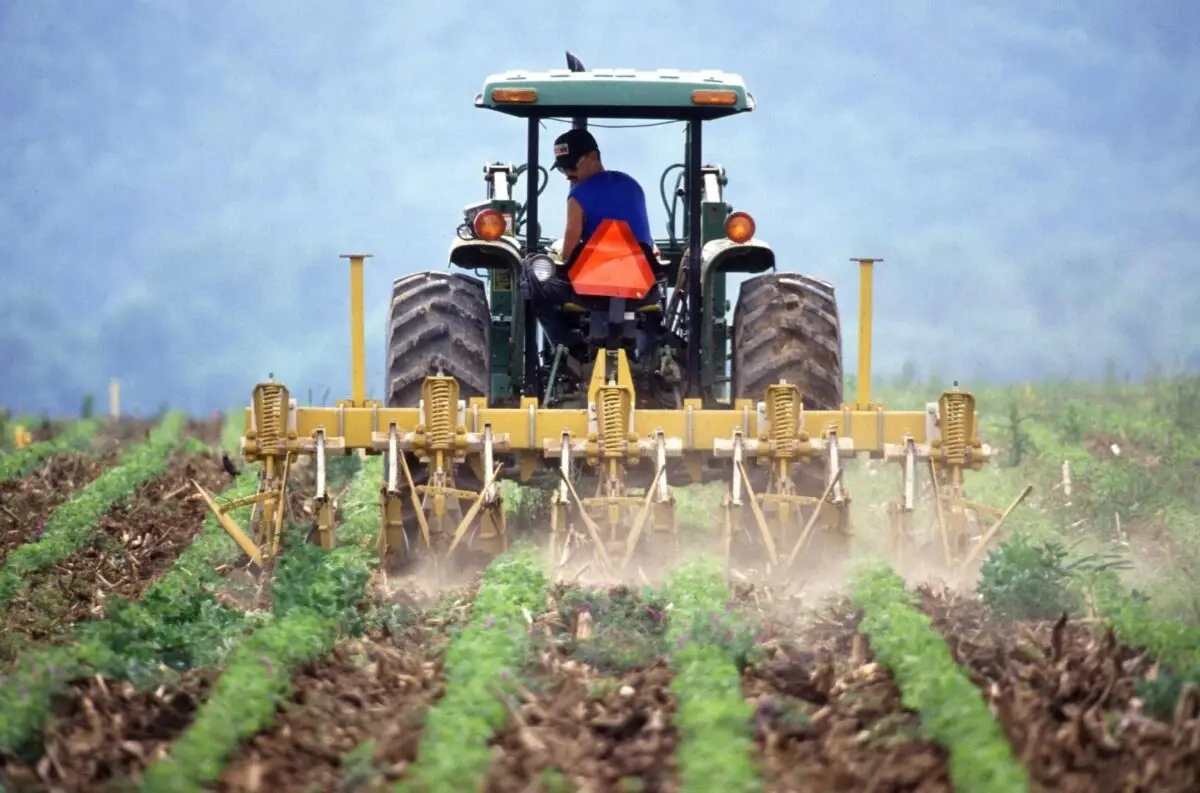
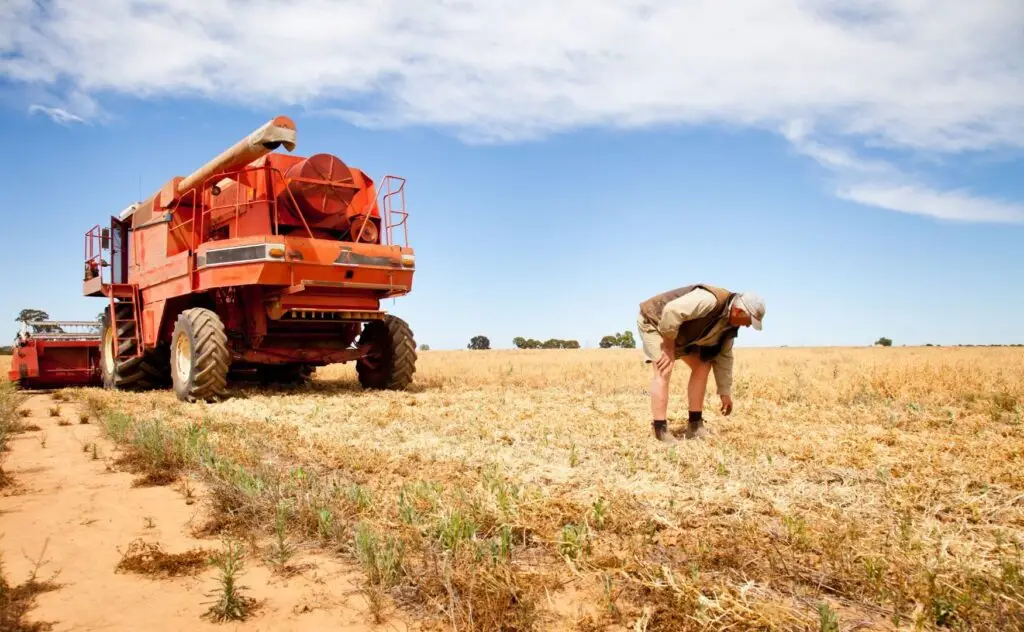
Agriculture is a cornerstone of Australia’s economy and food security. The industry, however, is vulnerable to climate change, soil degradation, and water scarcity. Weather, pest outbreaks, and market fluctuations also threaten farmers’ financial security. That’s why it’s recommended that farmers get agriculture insurance for financial protection and stability amid environmental uncertainties.
Whether you’re a small-scale farmer or part of a large agricultural operation, considering agriculture insurance is a wise decision, and East West Insurance Brokers is here to help. Our team of expert Insurance Advisers can help you navigate the insurance market and shop around for a good coverage plan. Contact us today to stay protected.
Government agencies and nonprofit organisations alike have implemented initiatives to enhance agricultural productivity while preserving natural resources. Let’s explore a few of these programs and initiatives driving sustainable agriculture in Australia.
Australia’s Net Zero Plan is a bold and ambitious initiative to reduce carbon emissions by 43% by 2030 and achieve net zero emissions by 2050. The plan seeks to achieve these goals through the support of independent and nonprofit organisations, to create a more sustainable and environmentally friendly future for Australia.
But how does this affect the agricultural sector?
Well, the agriculture industry plays a significant role in greenhouse gas emissions (GHG), mainly through livestock production, fertiliser use, and land use changes. They account for 15% of the total emissions in 2019. Meeting net zero targets will require substantial changes in farming practices, potentially impacting productivity, profitability, and livelihoods. Here are the common practices that are being adopted today:
Acceleration of the transition to renewable energy
Planting cover crops to improve soil quality and prevent erosion
Improving fuel efficiency of fishing vessels
Investing in new technology to increase efficiency and reduce waste or raw material consumption
For their part, the Australian Government is developing plans to provide farmers with the necessary education and support to reduce GHG emissions.
Climate-Smart Agriculture Program
The Australian Government established the $300 million Climate-Smart Agriculture Program through the Natural Heritage Trust (NHT). Below is a sample of programs they offer grants to farmers:
Partnerships and Innovation Grants
The program offers grants ranging from $250,000 to $5,000,000 for medium to large-scale projects that promote climate-smart agriculture practices. The application for the first round began on 22 February 2024, and the second round is still being discussed.
Small Grants
Another grant is offered for projects focused on increasing on-farm productivity and sustainable agriculture for community groups. The start date for application is to be announced later this year.
Soil Capacity Building
The Australian Government has invested $21 million in a program that monitors soil quality nationwide. This program aims to gather and assess data about soil trends. Additionally, $6 million has been invested in improving the sharing and use of soil data through the Australian National Information System.
NFF 2030 Roadmap
The National Farmers’ Federation (NFF) spearheaded the development of the NFF 2030 Roadmap, which was developed through a collaborative process that involved more than 300 representatives in the agricultural sector. Created as a strategic blueprint, the 2030 Roadmap identifies key opportunities and challenges in the agricultural sector. Essentially, it’s developed as a guide for growth and sustainability.
The NFF releases annual reports to track progress, maintain accountability, and push continuous innovation for everyone involved. You can access the 2030 Roadmap and its annual reports here.
Australian Agricultural Sustainability Framework
Another initiative by the NFF, with the support of the Australian Government, is the Australian Agricultural Sustainability Framework (AASF). It aims to promote responsible environmental stewardship by upholding ethical practices in compliance with the law, reducing GHG emissions, and preserving the environment. The framework also encourages the development of communities by nurturing the well-being of people and animals.
The AASF started in 2020 and is still in ongoing development. However, you can visit their site to learn more about the initiative.
FutureFeed
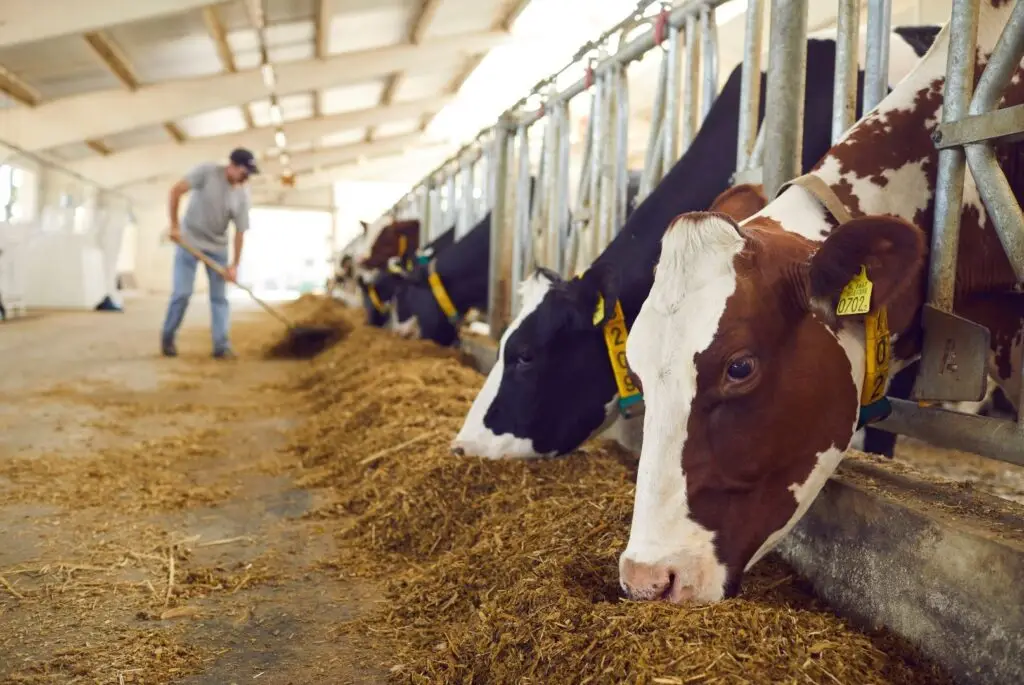
Farming, particularly livestock, is a major methane emitter and GHG contributor in Australia. As a solution, the Commonwealth Scientific and Industrial Research Organisation (CSIRO) established the FutureFeed program.
It aims to reduce GHG emissions, boost animal health, and improve farm efficiency with the development of a sustainable feed supplement for livestock using Asparagopsis seaweed.
FutureFeed currently provides licenses for growers and processors rather than selling seaweed directly. If you want to buy the product for your livestock, you can buy from their licensed seaweed growers.
The Future of Sustainable Agriculture
Challenges and triumphs, emphasising innovation, adaptation, and collective action, mark Australia’s journey toward achieving net zero carbon emissions by 2030. The goal, however, extends beyond meeting the deadline. It sets the stage for a sustainable future that preserves Australia’s diverse environment while pushing for innovation and collaboration across all industries. Australia is also contributing to the global fight against climate change for a greener future by adopting transformative technologies and forming eco-partnerships.
FLEXIOriginally launched in the 1980s as a premium funding service helping clients pay insurance premiums in instalments, our platform has evolved to support brokers in offering flexible payment options.
Today, Flexigrow also provides business management software, enabling business owners to manage operations in one streamlined platform. CTA button:VISIT OUR WEBSITE